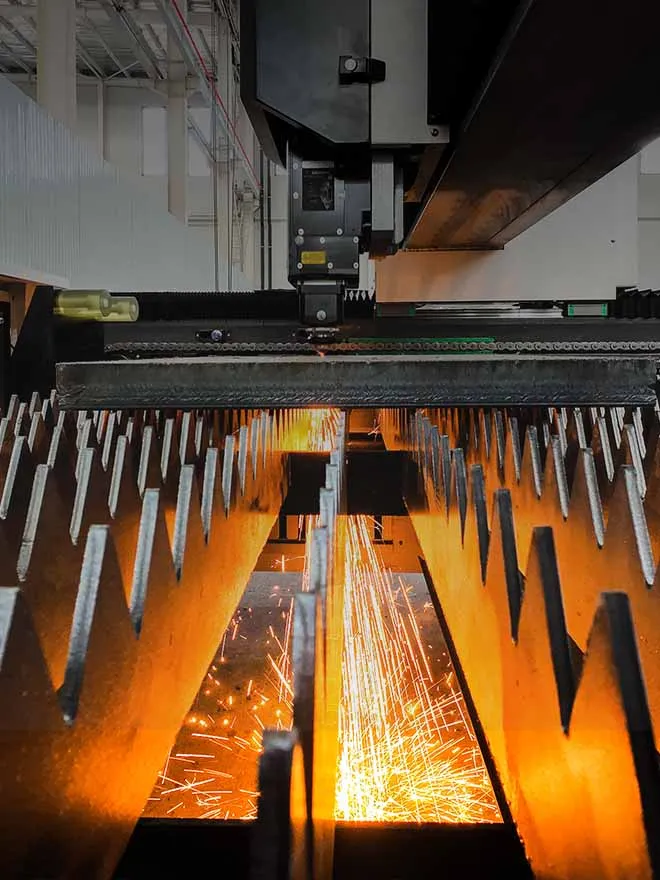
HAISINN recently welcomed a customer from the United States to our factory for an on-site visit and equipment inspection.
During the visit, the customer toured the production area, viewed different laser processing machines at close range, and communicated directly with the HAISINN team about equipment structures and processing solutions.
For overseas industrial buyers, a factory visit provides an opportunity to move beyond catalogs and online specifications. Customers can see actual machines, understand equipment layouts more clearly, and discuss their manufacturing requirements face to face with the supplier.
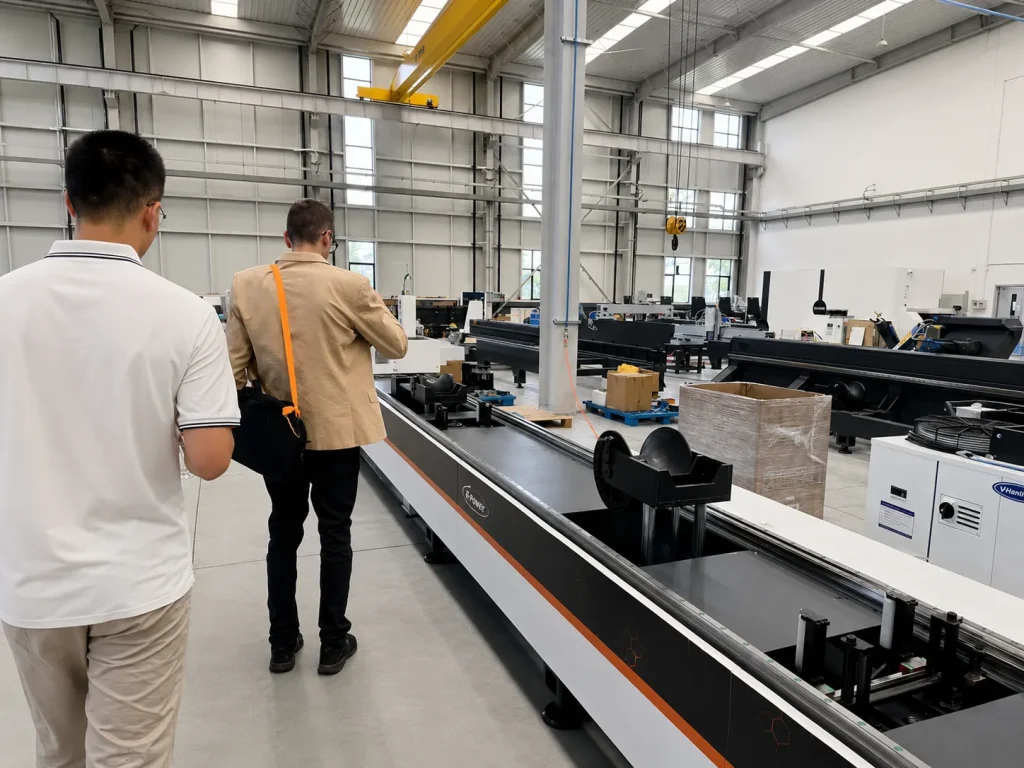
On-Site Inspection of HAISINN Laser Equipment
During the factory tour, the U.S. customer inspected several pieces of equipment in the HAISINN production workshop.
The customer viewed machine structures, operating areas, and control-related sections while HAISINN staff provided on-site explanations.
The visit also allowed the customer to compare different types of laser processing equipment within the actual manufacturing environment.
Rather than relying only on product images or technical documents, an on-site inspection helps industrial buyers better understand how equipment is designed, assembled, and configured for different applications.
Face-to-Face Technical Communication
Industrial equipment selection usually requires more than choosing a machine by product name.
Buyers may need to consider factors such as:
- Material type
- Material dimensions
- Processing requirements
- Production volume
- Machine structure
- Automation level
- Factory layout
- Future production plans
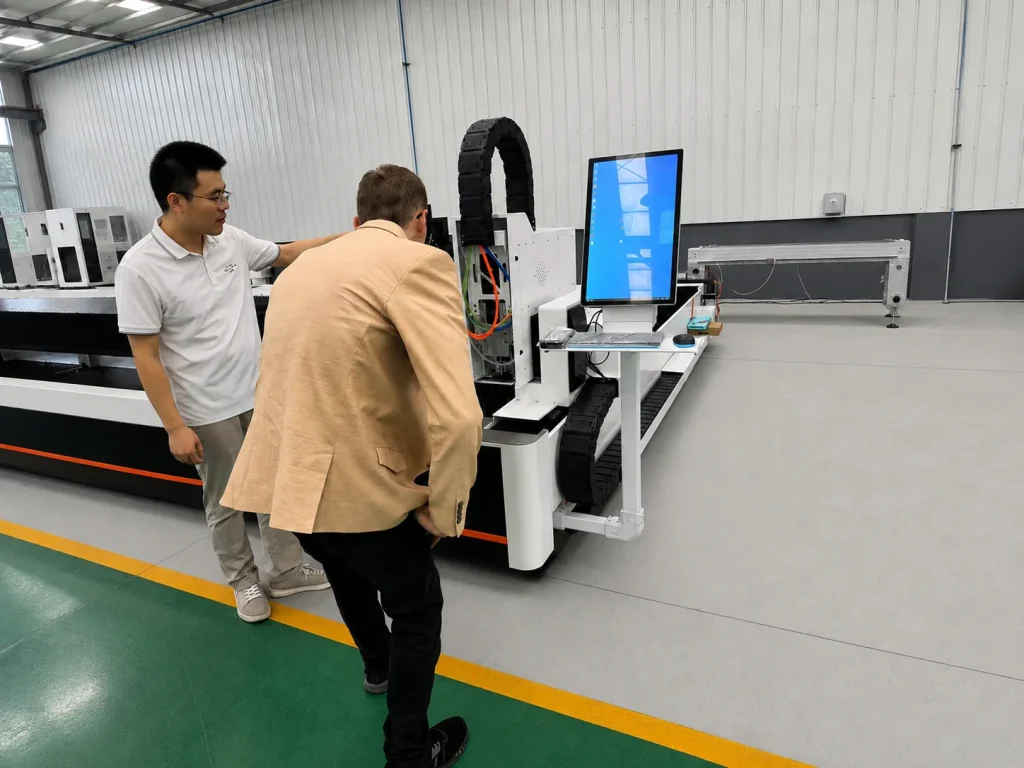
During the visit, the customer communicated directly with the HAISINN team beside the equipment.
This type of face-to-face discussion helps make machine selection more practical because questions can be discussed around the actual equipment instead of only through remote communication.
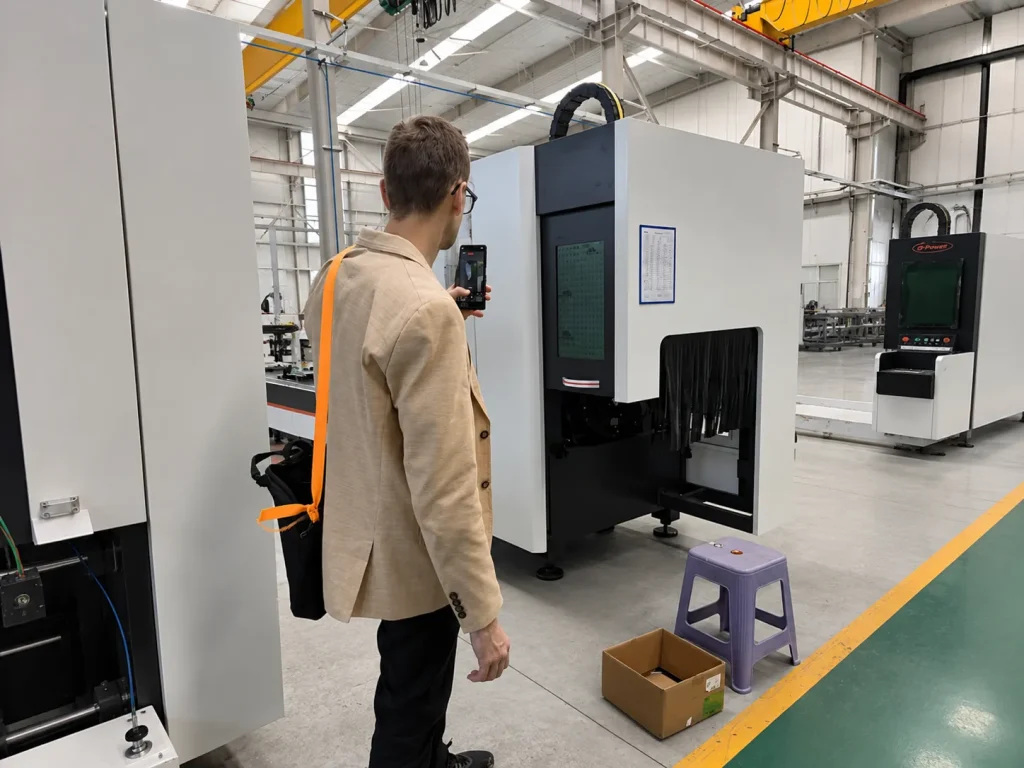
Understanding Different Laser Processing Solutions
HAISINN focuses on laser processing, metal forming, and automation equipment for industrial manufacturing.
Our current product directions include:
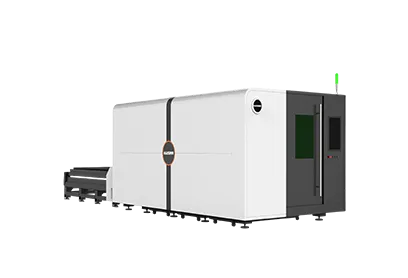
- Sheet metal laser cutting machines
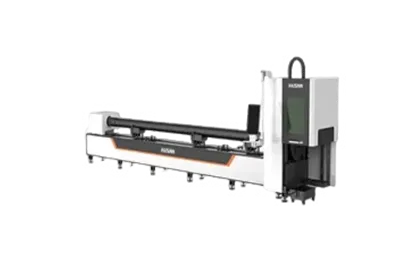
- Tube laser cutting machines
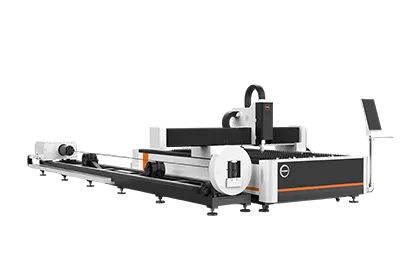
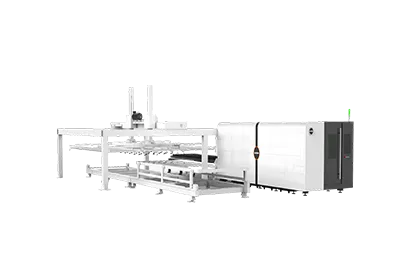
- Sheet and tube laser cutting machines
- Laser welding equipment
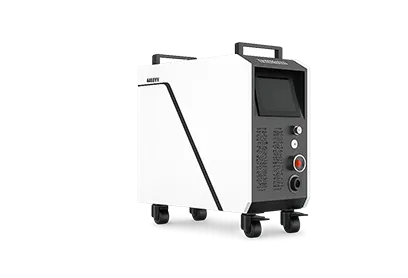
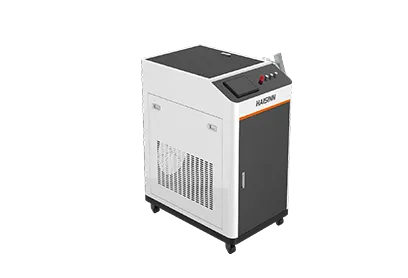
- Laser cleaning equipment
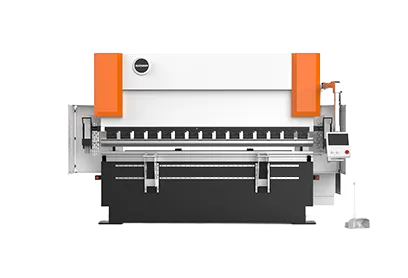
- CNC press brakes
- Automation equipment
Different factories require different equipment configurations.
A manufacturer processing mainly metal sheets may need a different solution from a company focused on tubes and profiles. Production volume, workpiece dimensions, handling requirements, and automation goals can also influence the final machine selection.
For this reason, factory visits can be especially useful for customers comparing several equipment directions.
Why Factory Visits Matter for Overseas Buyers
For international buyers, visiting the manufacturer’s production facility can provide a clearer understanding of both the equipment and the supplier.
An on-site visit can help customers:
- View actual machines instead of only brochures
- Understand machine structures more clearly
- Compare different equipment types
- Discuss processing requirements directly
- Observe the production environment
- Ask questions about configuration and operation
This can make subsequent technical discussions more focused and help buyers evaluate whether a proposed solution matches their real production needs.
HAISINN Continues to Welcome Global Customers
HAISINN serves industrial customers in global markets with equipment for laser cutting, welding, cleaning, bending, and automation-related applications.
We appreciate the U.S. customer’s visit to our factory and the opportunity to communicate directly about laser processing equipment.
For HAISINN, every factory visit is also an opportunity to better understand the customer’s manufacturing requirements and provide clearer information about suitable equipment directions.
If you are evaluating a laser cutting machine, tube laser cutting machine, laser welding system, or other metal processing equipment, you can provide HAISINN with your material type, workpiece dimensions, processing requirements, and expected production volume.
Our team can use this information as the basis for further equipment and configuration discussions.














 August 27, 2026