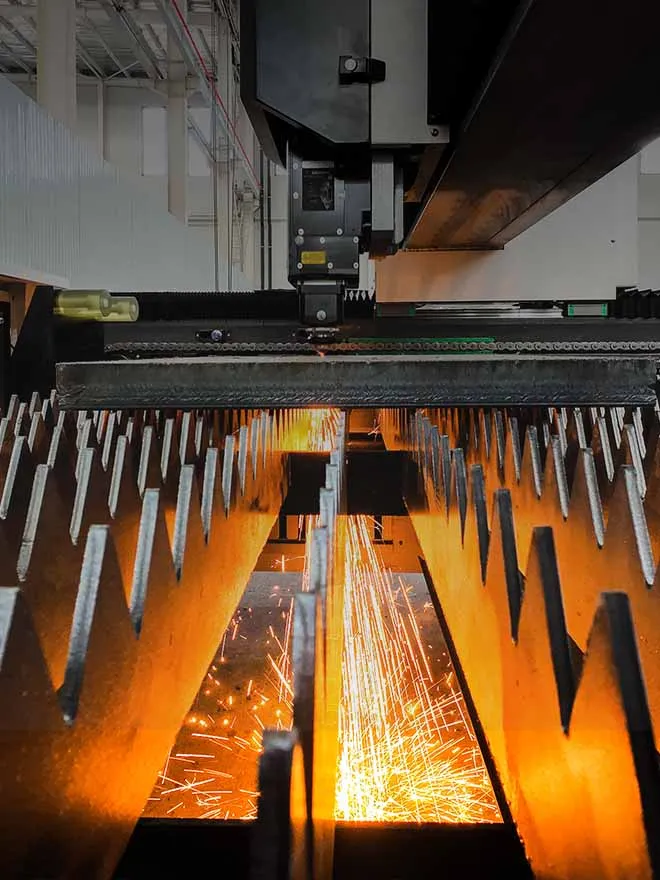
For metal fabrication factories processing both flat sheets and tubular components, equipment selection is not simply about cutting capability. It is also about how different orders move through the workshop.
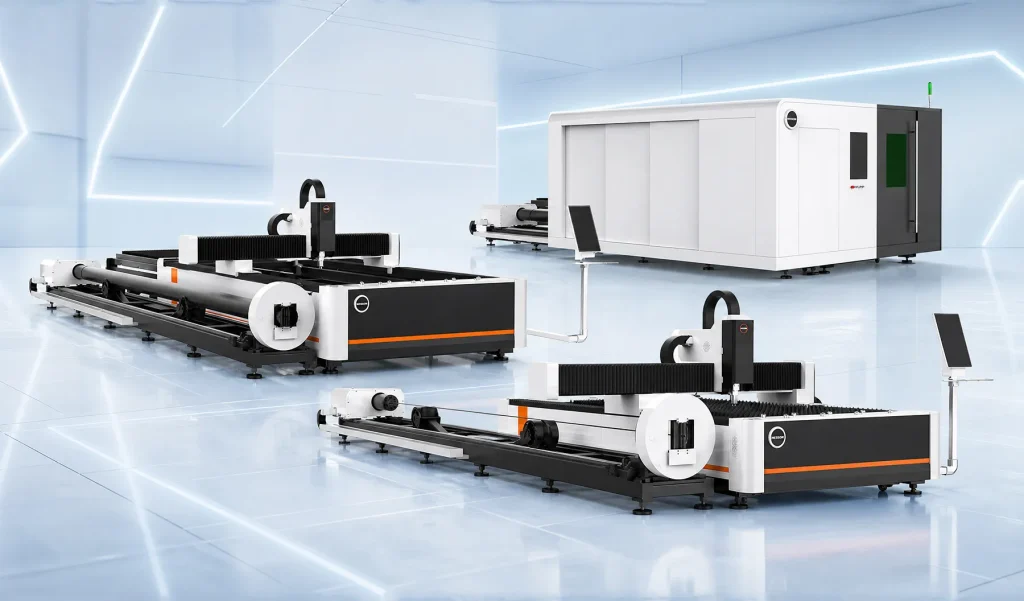
A sheet and tube combo laser cutting machine combines two processing functions in one system, while separate sheet and tube laser cutting machines allow factories to organize the two operations independently.
Both approaches can support mixed metal fabrication. However, the right investment depends on production volume, order frequency, scheduling flexibility, available workshop space, and future capacity requirements.
This guide explains how to compare these configurations based on actual production needs rather than machine specifications alone.
Combo Machine or Two Separate Machines?
A sheet and tube combo laser cutting machine is generally worth considering when a factory handles both sheet and tube orders but does not need continuous, simultaneous production of both. Separate machines become more attractive when sheet and tube workloads are consistently high, deadlines overlap, or independent production lines are required.
The key decision is whether one shared cutting system can complete the factory’s normal workload within its available production hours.
Sheet & Tube Combo vs Separate Machines: Key Differences
A combined system integrates sheet cutting and tube processing within one machine configuration. Separate equipment assigns these operations to dedicated machines.
| Comparison Factor |
Sheet & Tube Combo Machine |
Separate Sheet and Tube Machines |
| Processing capability |
Sheet and tube cutting in one system |
Dedicated equipment for each material form |
| Production scheduling |
Jobs generally share cutting resources |
Sheet and tube jobs can be scheduled independently |
| Simultaneous production |
Must be verified for the specific configuration |
Possible when both machines are independently operated |
| Changeover planning |
May require switching between processing modes |
Each machine remains assigned to its own process |
| Workshop layout |
Potentially reduces the number of machines required |
Requires space for two equipment installations |
| Production expansion |
Shared capacity must accommodate both workloads |
Capacity can be expanded by process |
| Equipment downtime |
Shared-system downtime may affect both job types |
A machine issue primarily affects its assigned process |
| Best-fit production |
Mixed orders with manageable combined workload |
Higher-volume or overlapping sheet and tube production |
Neither configuration is automatically more productive or more economical. The difference becomes clearer when the factory examines its actual order schedule.
Why Production Scheduling Matters More Than Machine Count
A common purchasing mistake is to compare the number of functions available without calculating how long those functions will be needed each day.
For example, a factory producing metal furniture may need sheet components for shelves and brackets alongside tube components for frames.
The equipment decision depends on whether those components can be processed sequentially without delaying downstream welding and assembly.
1. How Much Time Does Sheet Cutting Require?
Estimate the total daily time occupied by sheet production, including:
- Material loading and unloading
- Cutting operations
- Program and material changes
- Routine setup and inspection
A factory with a steady stream of sheet orders may have limited spare capacity for tube processing on a shared machine.
2. How Much Time Does Tube Cutting Require?
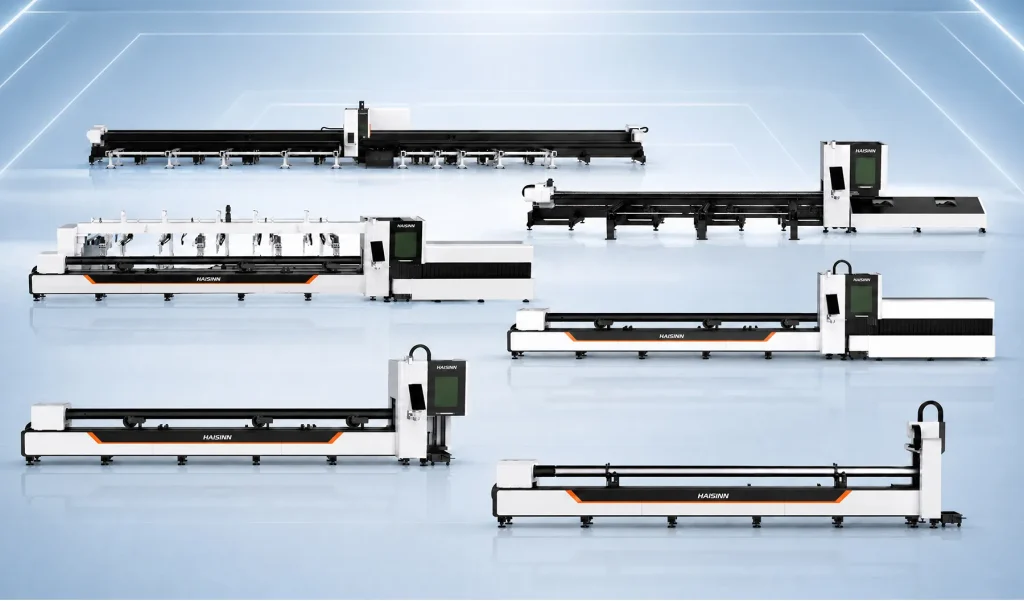
Tube cutting introduces different production considerations, including material loading, clamping, positioning, cutting, and unloading.
A small number of tube orders may fit comfortably between sheet production batches. Frequent tube orders with short delivery deadlines can create more scheduling pressure.
3. Do Sheet and Tube Orders Need to Run at the Same Time?
This is often the most important question.
If both processes must operate during the same shift to meet customer deadlines, two independently operated machines may provide greater scheduling flexibility.
If production can be organized into separate sheet and tube batches, a combo machine may be a practical alternative.
Buyers should confirm whether the proposed combined machine supports any simultaneous operations rather than assuming that two processing functions mean two independent cutting stations.
Five Questions to Ask Before Choosing a Machine Configuration
1. What Is Your Actual Sheet-to-Tube Workload Ratio?
Do not evaluate the workload using order counts alone.
Ten simple tube orders may require less processing time than one complex sheet order, or vice versa.
Measure the hours each material type occupies the cutting equipment.
For mixed-production factories, the more useful question is:
How many cutting hours does each process require during a normal week and a peak week?
This provides a stronger basis for equipment planning than a general estimate of production percentages.
2. How Frequently Will Production Switch Between Sheets and Tubes?
A combo machine may fit a workshop that processes sheet orders in one production block and tube orders in another.
However, frequent changes between urgent sheet and tube jobs can interrupt the schedule.
Before purchasing, ask the supplier to explain the operating procedure for changing between sheet and tube processing on the proposed configuration.
Any changeover time used in a capacity calculation should be based on an actual demonstration or confirmed operating procedure.
3. Are Delivery Deadlines Overlapping?
A factory may have enough total cutting hours available over a week but still struggle with daily delivery commitments.
Consider whether sheet components and tube frames must be ready for welding or assembly at the same time.
If one urgent job regularly interrupts another, independently scheduled equipment may help protect production deadlines.
If delivery dates are flexible and jobs can be grouped into batches, shared equipment may remain practical.
4. How Much Workshop Space Is Available?
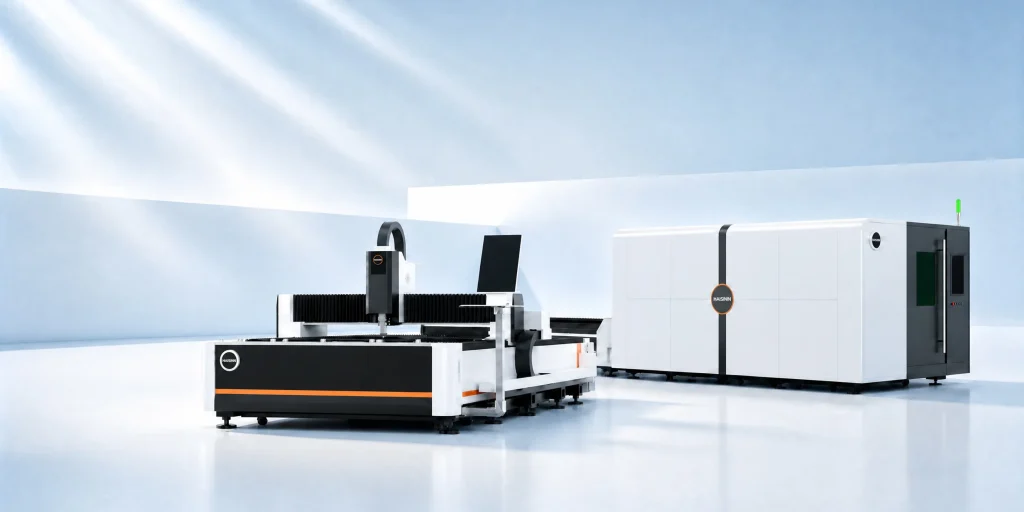
A sheet and tube combo laser cutting machine can reduce the need to install two separate cutting machines.
However, machine dimensions alone do not determine the total space requirement.
Buyers should also consider:
- Sheet loading and unloading areas
- Tube feeding and material handling space
- Access for operators and maintenance
- Finished-part collection and storage
- Supporting equipment and utilities
Request a layout drawing for the proposed configuration and compare the complete working area—not only the machine footprint.
5. Will Production Volume Increase?
A factory purchasing equipment for current mixed orders should also consider whether sheet or tube production is likely to become a dedicated production line.
If future growth is expected mainly in one process, separate equipment may offer a more straightforward path for expanding that process.
If the factory expects continued mixed, moderate-volume work, a combined system may remain suitable.
Avoid paying for capacity that has no clear production use, but also avoid selecting equipment that cannot accommodate confirmed workload requirements.
How Should Buyers Compare the Investment?
The purchase price of one combo machine should not be compared with the price of two separate machines in isolation.
The investment review should include the complete equipment and installation scope, such as material handling arrangements, utilities, operator requirements, maintenance responsibilities, and production capacity.
More importantly, buyers should evaluate the cost of missed production opportunities.
A lower initial equipment investment may be less attractive if shared-machine scheduling regularly delays profitable orders.
Conversely, two dedicated machines may represent unnecessary capacity when the factory has limited sheet and tube workloads.
The objective is not to minimize machine count. It is to match equipment capacity with the factory’s production demand.
HAISINN Sheet & Tube Combo Laser Cutting Solutions
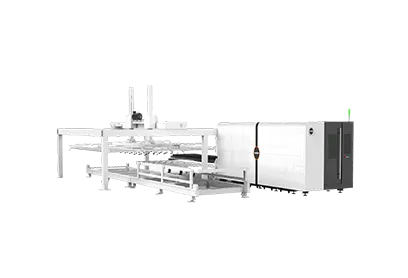
HAISINN offers several sheet and tube laser cutting machine configurations for manufacturers handling mixed metal fabrication work.
The current product range includes:
| HAISINN Series |
Published Product Positioning |
What Buyers Should Evaluate |
| HS-AT |
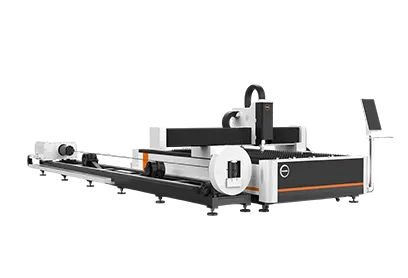
Dual-use sheet and tube laser cutting machine |
Sheet working area, tube dimensions, and daily workload |
| HS-BT |
Economical dual-use sheet and tube laser cutting machine |
Workpiece compatibility, available configurations, and production schedule |
| HS-CT |
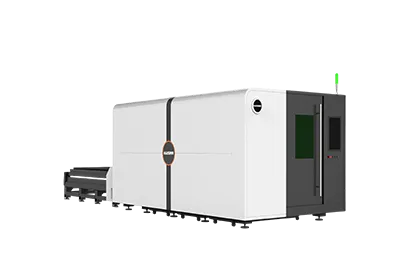
Protective covered sheet and tube laser cutting machine |
Combined processing requirements, covered structure, and workshop layout |
The HS-AT and HS-BT series include published configurations for processing flat sheets and compatible round or square tubes. The HS-CT series provides a protective covered configuration for combined sheet and tube processing.
Explore the individual product pages:
You can also view the complete HAISINN Sheet & Tube Laser Cutting Machine range.
The final configuration should be selected according to the customer’s drawings, material specifications, production requirements, and confirmed machine capabilities.
What Information Should You Prepare Before Requesting a Quote?
A useful equipment comparison begins with real production data.
Before contacting a manufacturer, prepare the following information:
| Informations requises |
What to Provide |
| Sheet materials |
Material grades and typical thicknesses |
| Dimensions des tôles |
Standard and maximum sheet sizes |
| Tube specifications |
Profile shapes, dimensions, wall thicknesses, and lengths |
| Volume de production |
Normal and peak sheet/tube workloads |
| Order schedule |
Batch sizes, delivery deadlines, and urgent-order frequency |
| Workshop conditions |
Available floor space, shift arrangements, and material handling |
| Part drawings |
Representative sheet and tube components for evaluation |
These details allow the equipment configuration to be reviewed against the actual workload rather than relying only on laser power or machine dimensions.
Choose Equipment Around Your Production Schedule
A sheet and tube combo laser cutting machine can be a practical choice for manufacturers handling mixed orders within a manageable shared production schedule.
Separate sheet and tube laser cutting machines may be more appropriate when production volumes, overlapping deadlines, or expansion plans require independent cutting capacity.
The right decision begins with actual machine-hour requirements, workpiece specifications, and production priorities—not simply the number of functions available.
Planning a new sheet and tube cutting setup?
Contact HAISINN with your part drawings, material specifications, and production schedule. Our team can review your requirements and discuss suitable laser cutting machine configurations for your factory.
FAQ
Can a sheet and tube combo laser cutting machine replace two separate machines?
It can replace the need for two dedicated cutting systems in some mixed-production factories, provided the combined machine supports the required workpieces and has enough available capacity. Factories requiring continuous, independent sheet and tube production may still benefit from separate machines.
Can a combo laser cutting machine cut sheets and tubes simultaneously?
Do not assume simultaneous cutting capability simply because a machine supports both sheet and tube processing. Many combined configurations share cutting resources and require the two job types to be scheduled sequentially. Buyers should confirm the operating arrangement of the exact proposed model.
Is a sheet and tube combo laser cutter always cheaper?
Not necessarily. Total investment depends on the selected configuration, installation requirements, supporting equipment, and production needs. Buyers should compare the complete project cost and the value of available production capacity rather than the machine purchase price alone.
When should a factory choose separate sheet and tube laser cutting machines?
Separate machines are worth evaluating when sheet and tube workloads are both substantial, production deadlines frequently overlap, or the factory needs the two processes to operate independently.
What should I send HAISINN to evaluate a combo laser cutting machine?
Provide representative sheet and tube drawings, material types, dimensions, thicknesses, expected production volumes, available workshop space, and scheduling requirements. These details help determine which equipment configurations should be evaluated.














 28 octobre 2026