Wybierz przedział mocy na podstawie cyklu pracy i grubości materiału, a następnie metodę chłodzenia, uwzględniając miejsce, w którym maszyna będzie faktycznie stać. Urządzenia chłodzone powietrzem o mocy od 800 do 2 000 W można przenosić między stanowiskami i nie wymagają chillera; urządzenia chłodzone wodą sprawdzają się w ciągłej produkcji na stałym stanowisku. Chłodzenie ma większy wpływ na czas pracy bez przestojów niż sama moc.
Wartość mocy jest najmniej wiarygodnym parametrem na tej stronie
Większość ręcznych spawarka laserowa W opisach ofert na pierwszym miejscu podawana jest jedna wartość: 1 000 W, 1 500 W, 2 000 W. Następnie kupujący porównują ją między markami, jak gdyby określała grubość materiału.
To nieprawda. Rzeczywiście uzyskana spoina zależy od materiału i stopu, geometrii złącza, szczeliny montażowej, amplitudy oscylacji, prędkości prowadzenia, gazu osłonowego, podawania drutu, jeśli jest stosowane, oraz wymaganej jakości spoiny. Zmiana któregokolwiek z tych parametrów daje inny rezultat przy tej samej mocy. Dostawca, który podaje “spawa do X mm”, nie określając wszystkich powyższych warunków, opisuje warunki demonstracyjne, a nie warunki Twojej produkcji.
Praktyczna wersja tego pytania jest węższa: jakie jest najgrubsze złącze, wykonane z materiału, który najczęściej obrabiasz, jakie ta konfiguracja może spawać zgodnie z Twoimi kryteriami akceptacji, przy prędkości prowadzenia, która sprawia, że kalkulacja robocizny się zgadza? Zadaj pytanie w ten sposób, a rozmowa zmieni się z marketingowej w inżynierską.
Moc rzeczywiście niezawodnie wpływa na dwie kwestie. Większa moc zwiększa dostępną głębokość wtopienia w danym złączu oraz pozwala zastosować większą szerokość oscylacji przy zachowaniu odpowiedniej gęstości energii w spoinie. Ten drugi efekt ma większe znaczenie, niż spodziewa się większość kupujących, ponieważ oscylacja pozwala ręcznemu spawaniu laserowemu tolerować szczeliny montażowe powstające podczas ręcznego składania.

Seria AW: co faktycznie opublikowano
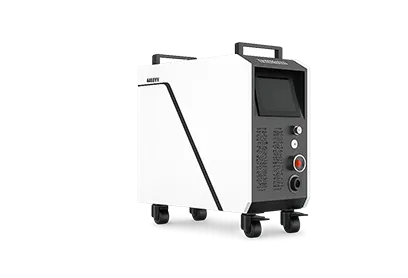
Ten Seria AW Ręczna spawarka laserowa z chłodzeniem powietrznym należy do linii ręcznych urządzeń firmy HAISINN z chłodzeniem powietrznym. Dostępne opcje mocy to 800 W, 1 200 W, 1 500 W i 2 000 W w konfiguracji ręcznej z chłodzeniem powietrznym.
To wszystko, co jest podawane do wiadomości publicznej, i warto to jasno powiedzieć: długość włókna, zakres szerokości drgań, cykl pracy przy mocy znamionowej, masa, napięcie wejściowe oraz zapotrzebowanie na gaz to parametry konfiguracyjne, które powinny znajdować się w ofercie cenowej i karcie katalogowej, a nie na stronie internetowej. Wszelkie dane liczbowe tego typu, które można znaleźć w ogólnych serwisach z ofertami, należy zweryfikować na podstawie karty katalogowej dla konkretnej oferowanej konfiguracji.
W porównaniu z uniwersalnymi urządzeniami ręcznymi, które dominują w tej kategorii, kwestie techniczne, na które warto zwrócić szczególną uwagę, to cykl pracy przy mocy znamionowej w danej temperaturze otoczenia, zakres drgań, jaki głowica faktycznie obsługuje, oraz zakres gwarancji na źródło laserowe w odróżnieniu od pozostałych elementów urządzenia.

Seria SCW i kwestia zasięgu
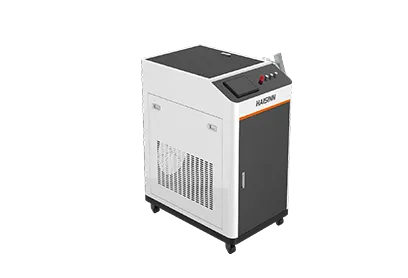
Ten Ręczne spawanie laserowe serii SCW Maszyna to ręczna konfiguracja z chłodzeniem wodnym, o deklarowanej długości światłowodu 10 m.
Długość przewodu światłowodowego to często niedoceniana specyfikacja. Określa ona, jak daleko operator może oddalić się od szafki, co z kolei decyduje o tym, czy duże elementy spawane można spawać na miejscu, czy też trzeba je przenieść do maszyny. W przypadku konstrukcji stalowych lub dużych zespołów prefabrykowanych zasięg wynoszący dziesięć metrów pozwala uniknąć jednego ruchu dźwigu na każdą część, a jest to oszczędność nakładu pracy, którą można obliczyć jeszcze przed zakupem.
Na publicznej stronie kategorii HAISINN nie ma pełnej tabeli mocy poszczególnych modeli z serii SCW. Prosimy o przesłanie pisemnego zapytania w tej sprawie, zamiast wyciągania wniosków na temat mocy na podstawie modeli chłodzonych powietrzem.

Jeśli już kupujesz komórki robotyczne
Dla kupujących decydujących się na zautomatyzowany montaż ręczne urządzenie jest zwykle złym narzędziem do części, które uzasadniły zakup robota, a właściwym narzędziem do wszystkiego wokół nich: poprawek oprzyrządowania, złączy prototypowych i pierwszych egzemplarzy, krótkich serii wariantów, które nigdy nie uzasadnią czasu programowania, napraw części nieprzechodzących kontroli oraz spoin w pozycjach, których oprzyrządowanie nie jest w stanie przedstawić robotowi.
Nie chodzi tu o porównanie między spawaniem ręcznym a zrobotyzowanym. Chodzi o to, jaka część rocznego nakładu spawania w metrach jest rzeczywiście powtarzalna. Powtarzalne metry powinny być realizowane w komórce — HAISINN’s Seria RW Jest to realizowane przy użyciu robota Yaskawa AR1440, źródła zasilania o mocy do 2 000 W oraz inteligentnej konfiguracji z obrotową głowicą, przy czym ostateczny zestaw składający się z robota, źródła zasilania i uchwytu jest ustalany indywidualnie dla każdego projektu. Właśnie w przypadku wszystkich zadań, których nie da się powtórzyć, urządzenie ręczne zwraca swój koszt, a zakłady, które kupują wyłącznie komórkę spawalniczą, i tak zazwyczaj w ciągu roku decydują się na zakup spawarki ręcznej.

Cztery kwestie, na które zwracają uwagę osoby kupujące mieszkanie po raz pierwszy
- Odchylenie nie eliminuje konieczności dopasowania elementów. Powoduje ono poszerzenie zakresu tolerancji; nie spawa się przecież powietrza. Elementy, które zostały wycięte i dopasowane pod spawanie metodą MIG, często wymagają dokładniejszego przygotowania, niż operator się spodziewa.
- Chłodzenie powietrzem nie oznacza pracy bezprzewodowej. To urządzenia zasilane z sieci, z doprowadzeniem gazu osłonowego. Przenośność oznacza przemieszczanie między stanowiskami, a nie spawanie na dachu bez przyłącza zasilania.
- Stopów odbijających światło należy dobierać w zależności od konkretnej konfiguracji. Aluminium i miedź zachowują się inaczej niż stal przy tej samej mocy. Należy sprawdzić głowicę, źródło światła i zestaw parametrów dla konkretnego stopu, a nie dla ogólnej grupy materiałów.
- Materiały ocynkowane i powlekane wydzielają opary cynku. Wymagania dotyczące odciągu nie są takie same jak w przypadku stali niepowlekanej, co ma wpływ nie tylko na procedurę eksploatacji, ale także na sam montaż.
Bezpieczeństwo i zgodność z przepisami: kwestia pomijana w poradnikach dla kupujących
Ręczna spawarka laserowa to źródło lasera klasy 4, w którym wiązka laserowa jest prowadzona w dłoni człowieka. To właśnie to połączenie sprawia, że dla tej kategorii opracowano specjalne ramy normatywne:
- Norma ISO 11553-2:2007 obejmuje wymagania bezpieczeństwa dla ręcznych urządzeń do obróbki laserowej. Przed zakupem należy potwierdzić jej aktualny status i regionalne przyjęcie na rynku docelowym.
- Norma IEC 60825-1:2014 dotyczy klasyfikacji produktów laserowych, promieniowania dostępnego, środków ochronnych oraz wymaganych informacji dotyczących bezpieczeństwa dostarczanych przez producenta.
- Norma IEC TR 60825-14:2022 stanowi przewodnik dla użytkowników dotyczący bezpieczeństwa laserowego, obejmujący procedury obowiązujące w miejscu pracy, szkolenia, środki kontroli administracyjnej oraz określenie osób odpowiedzialnych za bezpieczeństwo laserowe.
- Norma ISO 12100:2010 określa metodologię oceny ryzyka, uwzględniającą przewidywalne niewłaściwe użytkowanie, które w przypadku urządzeń ręcznych stanowi istotną część obrazu ryzyka.
Dnia certyfikacja, zwracaj uwagę na to, co mówi dostawca. Na stronie internetowej firmy HAISINN zamieszczono oświadczenia dotyczące zgodności z normami CE i FDA na poziomie firmy. Numery certyfikatów, nazwy organizacji wydających certyfikaty lub przeprowadzających badania, deklaracje zgodności, zakres zgodności dla poszczególnych modeli oraz numery rejestracyjne FDA nie są publicznie udostępniane. Żaden model urządzenia ręcznego nie powinien być opisywany jako “posiadający certyfikat CE” lub “posiadający certyfikat FDA” wyłącznie na podstawie oświadczenia zamieszczonego na stronie internetowej firmy — należy poprosić o dokument odnoszący się do konkretnej konfiguracji zamawianego produktu oraz pamiętać, że określenie “posiadający certyfikat FDA” nie jest równoznaczne z certyfikatem produktu wydanym przez niezależną jednostkę certyfikującą, jak zazwyczaj zakładają nabywcy.
Należy uwzględnić w budżecie okulary o odpowiedniej gęstości optycznej dla długości fali 1 080 nm, szkolenie operatorów oraz wyznaczony obszar pracy lasera. Nie są to opcjonalne dodatki. Stanowią one część kosztów instalacji urządzenia.
Kwestie związane z produkcją, które odróżniają dostawców
W tej kategorii znajduje się wiele urządzeń złożonych z tych samych podzespołów i głowic pochodzących od innych producentów, sprzedawanych pod różnymi nazwami w podobnych cenach. Dlatego też same listy podzespołów dostarczają mniej informacji niż kontrola procesu. Fabryka HAISINN Na stronie opisano kontrolę jakości przychodzących materiałów, kontrolę jakości w trakcie produkcji, kontrolę jakości produktów wychodzących, kontrolę podzespołów, kalibrację maszyn, testy funkcjonalne, walidację procesu oraz 72-godzinny test wygrzewania. Są to informacje dotyczące produkcji opublikowane przez firmę; warto poprosić dowolnego dostawcę o normę odbioru i protokół kontroli odnoszący się do konkretnego numeru seryjnego.
To samo dotyczy gwarancji. Informacje na stronach internetowych firmy HAISINN są w tej kwestii niespójne: strona poświęcona gwarancji wspomina o pięcioletnim okresie gwarancyjnym, strona „Fabryka” opisuje dwu- lub trzyletnią gwarancję na kluczowe podzespoły, a strona produktu podaje okres trzech lat. Okres gwarancji, zakres objętych gwarancją elementów oraz sposób traktowania źródła laserowego w szczególności muszą zostać potwierdzone w ofercie cenowej dotyczącej konkretnego modelu oraz w umowie sprzedaży. Ta rada dotyczy każdego dostawcy z tej kategorii, a dostawca, który nie uwzględni tego w umowie, sam udzielił odpowiedzi na to pytanie.
Ceny
Ceny zależą od konfiguracji. Formalna oferta jest sporządzana na podstawie wymaganej mocy lasera, obszaru roboczego, materiałów, poziomu automatyzacji, kluczowych komponentów, rynku docelowego oraz zakresu usług.
Warto jednak zwrócić uwagę na to, na co wydawane są pieniądze po zakupie: zużycie gazu osłonowego, zużywające się soczewki ochronne i dysze, płyn chłodzący oraz filtry w urządzeniach chłodzonych wodą, okulary ochronne i szkolenia, systemy odciągania oparów przy obróbce materiałów powlekanych, a także prace związane z instalacją elektryczną, jeśli warsztat nie jest jeszcze w nią wyposażony. Kupujący, którzy porównują wyłącznie cenę samej maszyny u różnych dostawców, biorą pod uwagę jedynie mniejszą połowę całkowitego kosztu.
Najczęściej zadawane pytania
Jaką moc potrzebuję do obróbki blachy ze stali nierdzewnej?
Należy określić grubość blachy, rodzaj połączenia oraz wymagany wygląd spoiny, a także poprosić o wykonanie spoiny próbnej. Cienkie blachy ze stali nierdzewnej stanowią zazwyczaj najłatwiejszy przypadek w tej kategorii, a przy wyższej mocy ryzykiem jest raczej odkształcenie spowodowane nadmiernym doprowadzeniem ciepła niż niewystarczająca penetracja.
Czy jedna ręczna spawarka laserowa może całkowicie zastąpić nasz zestaw do spawania metodami MIG i TIG?
Rzadko. Zastępuje ona część prac, zazwyczaj w przypadku cienkich blach i połączeń kosmetycznych, gdzie mniejszy wkład cieplny i krótszy czas wykańczania wpływają na opłacalność. Ciężkie połączenia konstrukcyjne, spawanie w trudno dostępnych miejscach oraz spawanie zgodnie z normami zazwyczaj pozostają bez zmian.
Ile czasu zajmuje operatorowi osiągnięcie produktywności?
W porównaniu z metodą TIG opanowanie podstawowych umiejętności nie zajmuje dużo czasu. Osiągnięcie spójnych wyników przy różnych materiałach, szczelinach i typach połączeń wymaga więcej czasu, a po upływie pierwszego tygodnia to raczej zarządzanie parametrami, a nie sprawność manualna, ogranicza wydajność.
: Czy do serii AW potrzebna jest osobna chłodziarka?
Nie. Jest to układ chłodzony powietrzem i właśnie dlatego warto go wybrać. Zanim uznasz, że rozwiązanie to jest bezpłatne, sprawdź cykl pracy przy mocy znamionowej w warunkach otoczenia, w jakich będziesz go używać.














 21 sierpnia 2026 r.