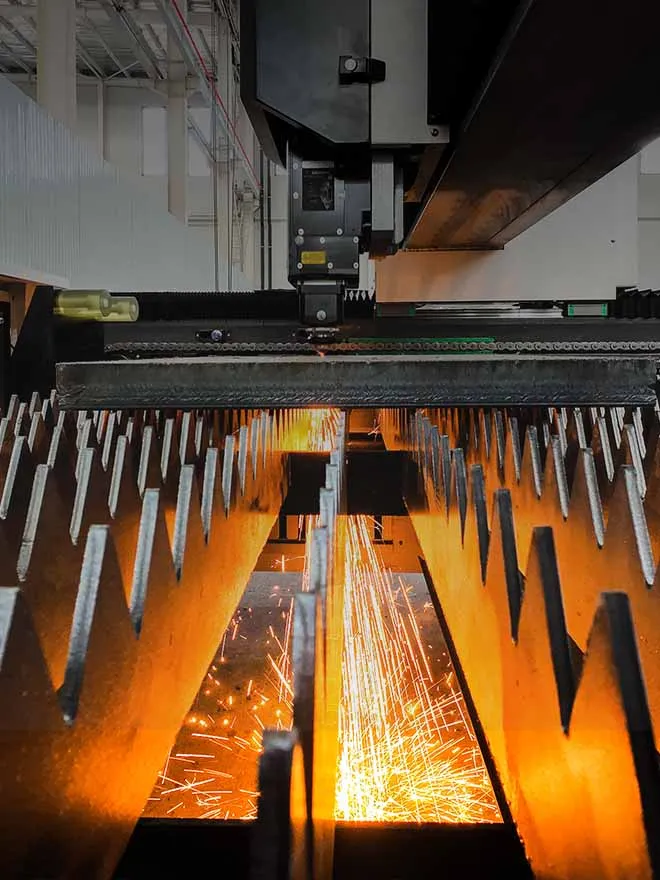
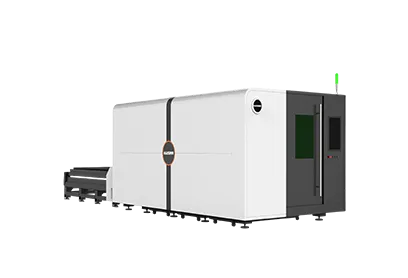
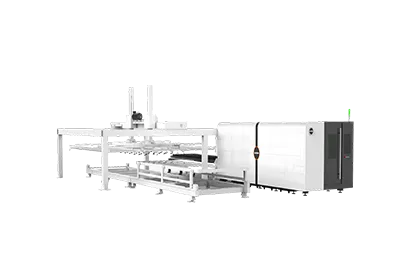
A CNC macchina da taglio laser viene confrontata sulla base di cinque valori: potenza del laser, area di lavoro, velocità massima, accelerazione e precisione di posizionamento. La serie di macchine a tavola intercambiabile HS-B di HAISINN offre potenze da 1,5 a 30 kW, aree di lavoro da 3.048 × 1.524 mm a 6.050 × 2.500 mm, 140 m/min, 1,5G e ±0,05 mm/m.
Questi cinque valori stanno su una sola riga di un preventivo. Sono anche il punto in cui la maggior parte dei confronti tra schede tecniche va silenziosamente fuori strada, perché ogni numero viene misurato in condizioni che la scheda tecnica raramente riporta.
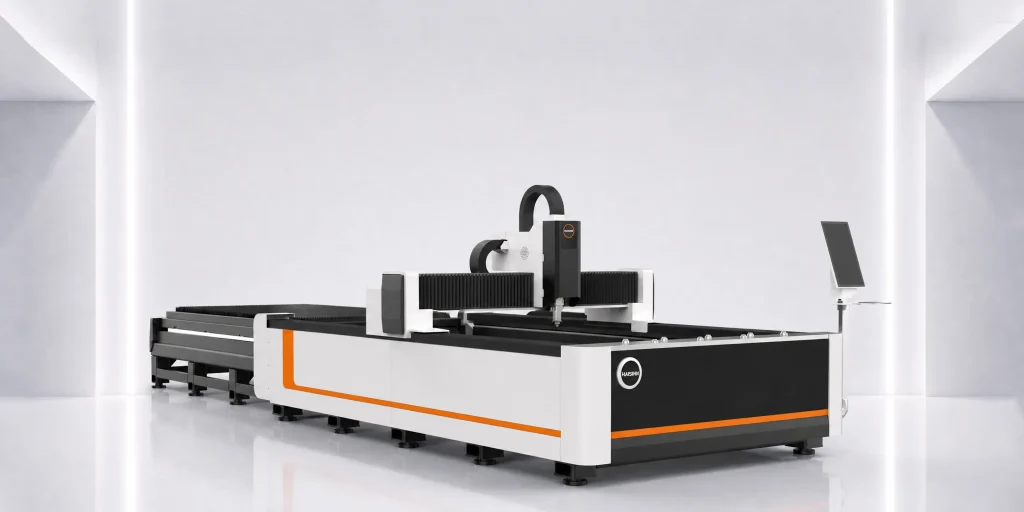
Parametri pubblicati: serie HS-B a tavola intercambiabile
| Parametro tecnico |
Dato HS-B pubblicato |
Rispetto a cosa viene misurato |
| Potenza del laser |
1,5–30 kW, a seconda del modello |
Potenza nominale della sorgente, non potenza erogata al pezzo |
| Area di lavoro |
da 3.048 × 1.524 mm a 6.050 × 2.500 mm |
Intervallo su tutta la serie; area per singolo modello da confermare |
| Velocità massima |
140 m/min |
Traslazione dell'asse a vuoto, velocità di avanzamento senza taglio |
| Accelerazione massima |
1.5G |
La capacità dell'asse non è garantita su un intero nido |
| Precisione di posizionamento |
±0.05 mm/m |
Posizionamento degli assi macchina, non tolleranza del pezzo tagliato finito |
| Struttura del tavolo |
Tabella delle corse (navetta) |
Due pallet, uno nella zona di taglio |
| Modelli pubblicati |
HS-B3015, HS-B4020, HS-B6015, HS-B6025 |
La denominazione indica le dimensioni nominali; verificare le dimensioni esatte per ciascun modello |
Due voci richiedono una nota anziché un numero. La tabella delle serie pubbliche di HAISINN indica l’intervallo dell’area di lavoro per i quattro modelli, non una suddivisione per singolo modello; pertanto, le designazioni nominali sopra riportate devono essere interpretate come famiglie di formati e verificate confrontandole con la tabella dei modelli allegata al vostro preventivo. Anche la potenza del laser rientra in un intervallo di serie: una sorgente da 30 kW non è disponibile per tutte le dimensioni del telaio.
Che cosa si ottiene in pratica dal tavolo di scambio
Rispetto alle configurazioni a piattaforma singola, comuni in questa classe di apparecchiature, un tavolo a navetta non garantisce una maggiore velocità di taglio. Il tempo di esposizione al raggio per ogni pezzo è identico a parità di potenza e materiale. Ciò che cambia è la percentuale del turno in cui il raggio è effettivamente in funzione.
Su una piattaforma singola, il caricamento della lamiera grezza e la rimozione dei pezzi tagliati avvengono mentre la testa è inattiva. Su un tavolo di scambio, tali operazioni vengono eseguite sul pallet all’esterno della cabina mentre la macchina taglia la lamiera già presente all’interno. Il vantaggio aumenta in proporzione alla quantità di movimentazione richiesta dai vostri pezzi:
- Lamiere sottili, elevato numero di pezzi, nidi di assemblaggio di piccole dimensioni. Il tempo di movimentazione rappresenta una quota significativa del tempo ciclo. È qui che la navetta giustifica il proprio costo.
- Lastra spessa, lunghi cicli con il laser acceso per ogni foglio. Un ciclo di lavorazione di un nido in acciaio al carbonio da 20 mm può durare diversi minuti; la fase di movimentazione che si sovrappone rappresenta solo una piccola percentuale di tale durata.
- Lavorazioni miste su commessa con frequenti cambi di materiale. Il secondo pallet funge tanto da area di stoccaggio temporaneo quanto da dispositivo di carico.
- Prototipazione di singoli pezzi o in serie molto limitate. La sovrapposizione si verifica raramente, e un piattaforma singola con la stessa potenza può essere l'acquisto più conveniente.
La versione scomoda: se il tuo operatore impiega attualmente quattro minuti per gestire la chiamata e venticinque minuti in attesa del collegamento, un modifiche alla tabella di scambio quasi nulla riguardo alla tua produzione.
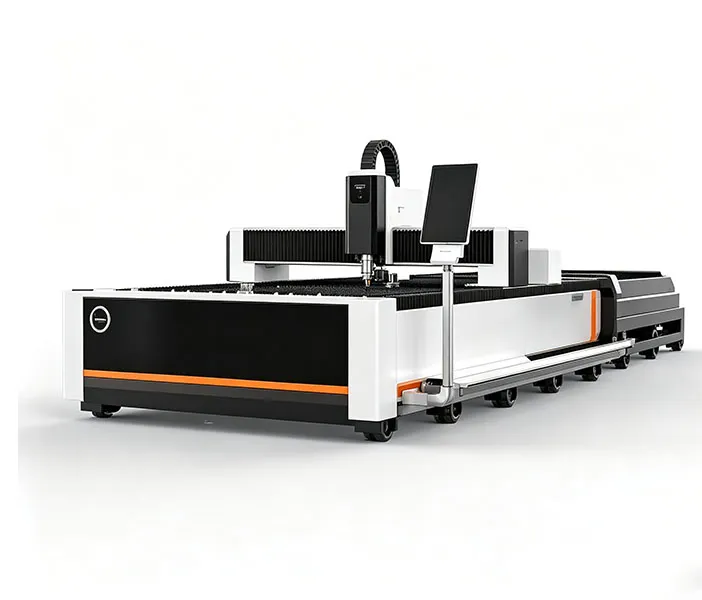
La precisione di posizionamento non è la tolleranza del pezzo
±0,05 mm/m indica con quale precisione gli assi della macchina raggiungono una coordinata comandata. Non descrive la tolleranza dimensionale né la qualità dei bordi del pezzo che esce dal piano di lavoro.
La qualità del bordo di taglio rientra in un quadro diverso. La norma ISO 9013:2017 (con Emendamento 1:2024), Taglio termico — Classificazione dei tagli termici, definisce le dimensioni della qualità effettivamente sottoposte a controllo su un bordo di taglio: tolleranza di perpendicolarità e angolarità, altezza media del profilo e conseguenti classi di tolleranza dimensionale. La specifica di posizionamento della macchina è uno degli elementi che determinano questo risultato. Gli altri sono le condizioni dell'ugello, la pressione e la purezza del gas di assistenza, la posizione del fuoco, la contaminazione della lente, le condizioni della superficie del materiale e lo stato termico della lamiera.
La conseguenza pratica in fase di acquisto: un valore indicativo riportato in una scheda tecnica non costituisce un impegno rispetto a una classe di qualità ISO 9013. Se i vostri componenti vengono controllati in base a una classe specifica, ciò deve essere stabilito tramite un campione di taglio del vostro materiale e dello spessore, con il risultato riportato nei termini di accettazione — non dedotto da ±0,05 mm/m.
Lo stabilimento di HAISINN La pagina descrive un obiettivo di calibrazione fino a ±0,03 mm per le apparecchiature o i processi applicabili, insieme alle fasi di controllo in entrata, in corso di produzione e in uscita e a un periodo di rodaggio specificato di 72 ore. Si tratta di dichiarazioni relative al processo di produzione pubblicate dall’azienda. Chiedete quale di queste specifiche si applichi al modello e alla configurazione specifici oggetto del vostro preventivo e quale sia lo standard di accettazione in ciascuna fase.
Velocità, accelerazione e perché 140 m/min non è una velocità di taglio
140 m/min è la velocità di traslazione rapida, ovvero la velocità con cui il gantry si sposta tra un taglio e l'altro. La velocità di avanzamento durante il taglio dipende da potenza, materiale, spessore, gas di assistenza e qualità del bordo richiesta e, sulle lamiere spesse, può essere inferiore di due ordini di grandezza rispetto alla velocità di traslazione.
L’accelerazione è il dato che conta di più sui nidi reali, ed è quello che gli acquirenti tendono a trascurare più spesso. Su un nido con fori piccoli e contorni corti, la testa trascorre la maggior parte del tempo ad accelerare e decelerare; non raggiunge mai la velocità massima di avanzamento, figuriamoci quella di traslazione. 1,5 G è il limite massimo dichiarato per l’HS-B. Se tale valore possa essere mantenuto su un tavolo da 6 m a formato pieno con un pesante portale è una questione da verificare durante il collaudo di accettazione, non da indicare nella brochure.
Una richiesta concreta durante la valutazione: inviate i vostri due file DXF più rappresentativi e chiedete una stima del tempo ciclo sulla configurazione esatta oggetto dell'offerta, indicando il software di nesting e le impostazioni del gas di assistenza. Un fornitore che non è in grado di produrla non ha modellato il vostro lavoro.
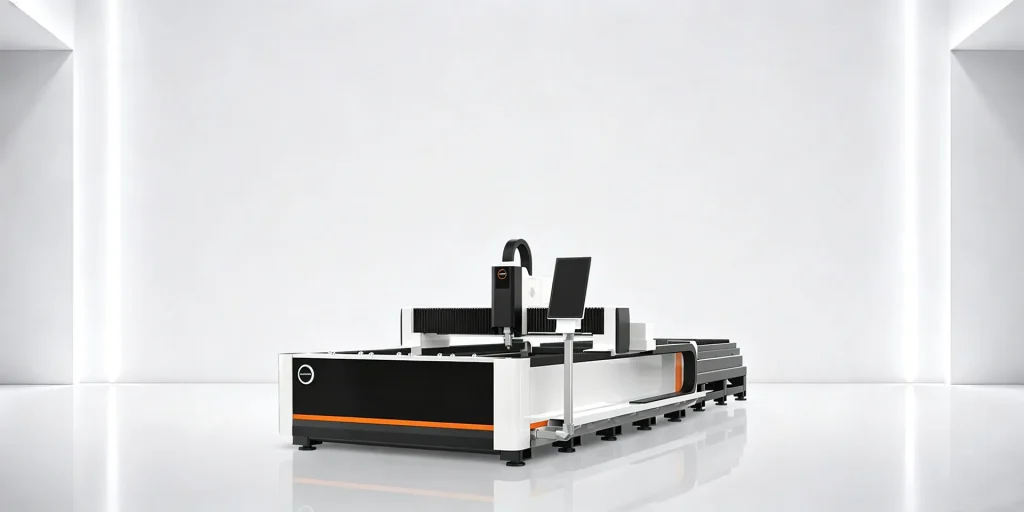
Quando questa configurazione non è la scelta giusta
Lo spiego in modo semplice, poiché le modalità di guasto sono specifiche:
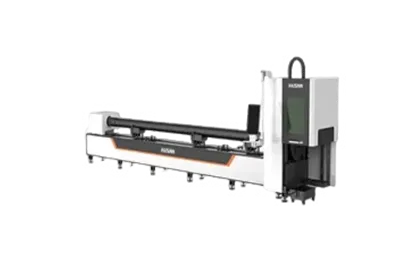
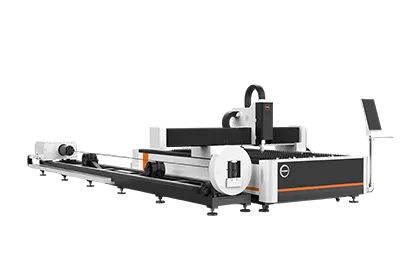
- Lavorazioni di tubi e profilati. Una tavola di scambio è progettata per la lamiera piana. La lavorazione dei tubi richiede una macchina dedicata con autocentrante oppure una configurazione per lamiera e tubi; aggiungere un accessorio rotante a una macchina per lamiera rappresenta un compromesso per entrambe le lavorazioni.
- Spazio a pavimento e fondazioni. Due pallet, oltre al meccanismo di scambio, occupano uno spazio a pavimento significativamente maggiore di quanto suggerisca l'area di taglio, e il lato di carico deve garantire un accesso libero per gru o carrello elevatore. In un formato da 6.050 × 2.500 mm, questo è il vincolo che più spesso impone una modifica del layout.
- Produzione alimentata da coil. Se il materiale in ingresso è un coil anziché lamiera già tagliata, una tavola a navetta aggiunge una fase di separazione delle lamiere che una linea automatica alimentata da coil elimina completamente.
- Superficie soggetta a manutenzione. Il meccanismo di scambio, il relativo sistema di azionamento e i sensori di posizione sono componenti soggetti a usura in un ambiente caratterizzato dalla presenza di scorie e polvere. Non sono esenti da manutenzione, così come nessuna macchina per il taglio laser lo è.
Certificazione e garanzia: cosa richiedere per iscritto
Il sito web di HAISINN riporta dichiarazioni di conformità alle norme CE e FDA a livello aziendale. Le pagine pubbliche esaminate non riportano numeri di certificato, enti emittenti, dichiarazioni di conformità, numeri di registrazione FDA né la copertura specifica per ciascun modello. Ciò significa che nessun singolo modello — HS-B compreso — dovrebbe essere descritto come “certificato CE” o “certificato FDA” basandosi esclusivamente sulle informazioni presenti sul sito web.
Per un'installazione nell'UE, i quadri normativi di riferimento sono la Direttiva Macchine 2006/42/CE e il Regolamento (UE) 2023/1230, che la sostituirà a partire dal 20 gennaio 2027. Per le macchine immesse sul mercato dell’UE in prossimità di tale data, è necessario verificare la normativa applicabile in base alla data effettiva di immissione sul mercato. I requisiti di sicurezza specifici per i laser sono disciplinati dalla norma ISO 11553-1:2020 per le macchine di lavorazione laser e dalla norma IEC 60825-1:2014 per la classificazione dei prodotti laser. Per un’installazione negli Stati Uniti, al prodotto laser si applicano le norme 21 CFR 1040.10 e 1040.11, e i documenti da esaminare sono le relazioni del produttore e le informazioni di adesione.
Documenti da richiedere specificandone il nome prima della firma:
- Dichiarazione di conformità UE che indica il modello esatto e la configurazione seriale
- Il certificato CE o il verbale di prova, con l'indicazione dell'ente emittente e del numero
- Numero di registrazione FDA e relativa dichiarazione del produttore, per le destinazioni negli Stati Uniti
- Classe laser e descrizione del dispositivo di interblocco di sicurezza per l'involucro in dotazione
Prezzo
I prezzi dipendono dalla configurazione e non vengono resi pubblici. Viene preparato un preventivo formale in base alla potenza laser richiesta, all’area di lavoro, ai materiali, al livello di automazione, ai componenti principali, al mercato di destinazione e all’ambito dei servizi.
Domande frequenti
Di quale potenza laser ho bisogno?
La potenza dipende dal materiale e dallo spessore; la serie HS-B offre una gamma di potenza compresa tra 1,5 e 30 kW a seconda dei modelli. Una potenza maggiore aumenta la capacità di taglio in termini di spessore e la velocità su materiali spessi, ma non è possibile indicare uno spessore di taglio garantito senza specificare anche il materiale, il gas di assistenza, i requisiti di taglio e il livello di qualità accettabile.
Vale la pena sostenere il costo aggiuntivo di una tabella di scambio rispetto a una piattaforma unica?
Dipende dal rapporto tra il tempo di movimentazione e il tempo di accensione del fascio nel vostro lavoro. La produzione di lamiere sottili con un numero elevato di pezzi comporta una quota significativa di movimentazione; i cicli lunghi con lamiere spesse ne comportano invece pochissima.
L'HS-B è in grado di tagliare sia i tubi che le lamiere?
Il modello HS-B è una configurazione a lamiera. La lavorazione dei tubi viene effettuata da macchine dedicate o da configurazioni a lamiera e tubo in una linea di produzione separata.
Quale garanzia si applica?
Le dichiarazioni pubbliche di HAISINN indicano durate che variano da cinque anni a due-tre anni per i componenti principali e a tre anni per la pagina HS-B. Verificare la durata e la copertura dei componenti nel preventivo e nel contratto specifici per il modello.














 25 agosto 2026