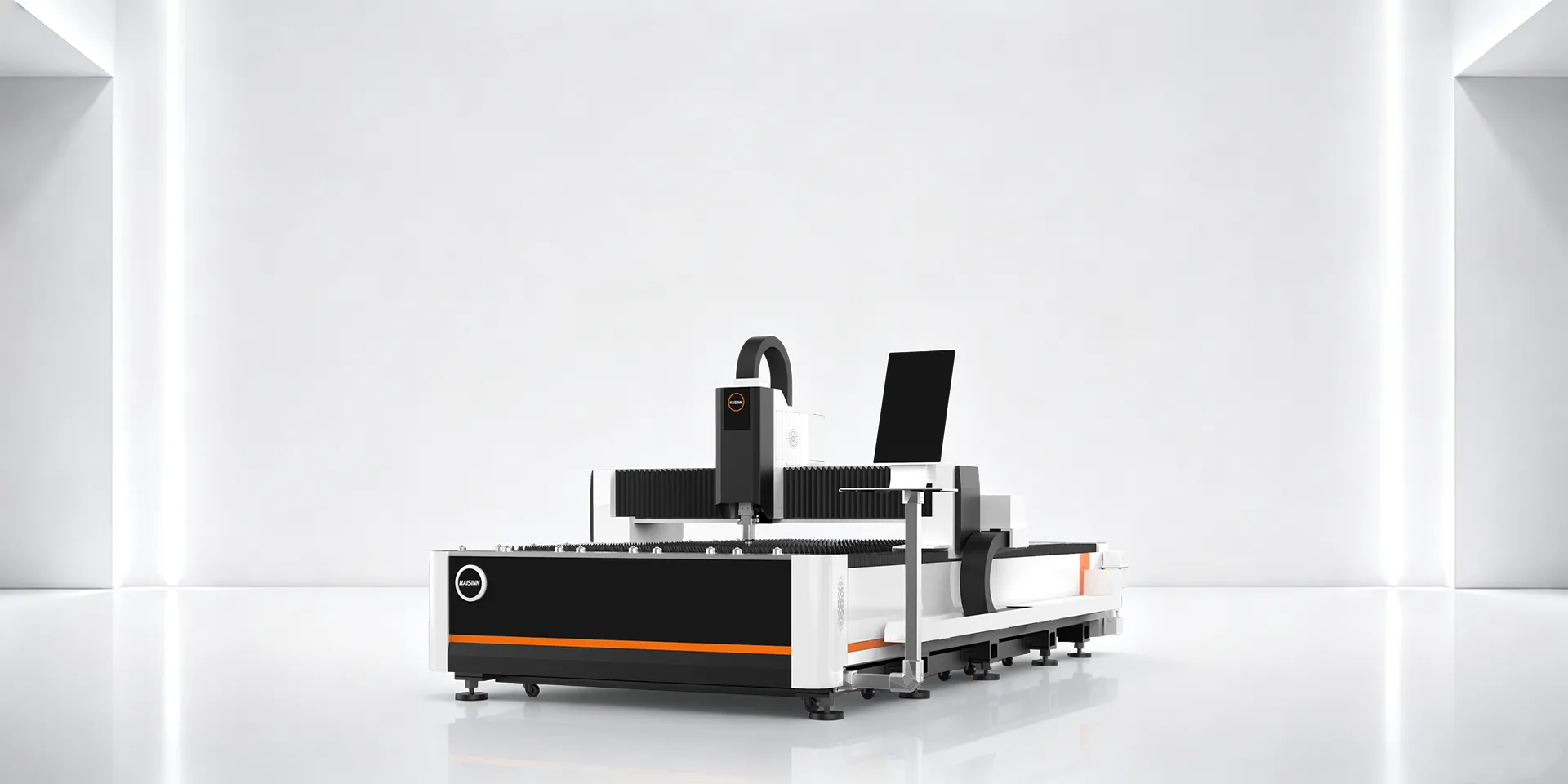
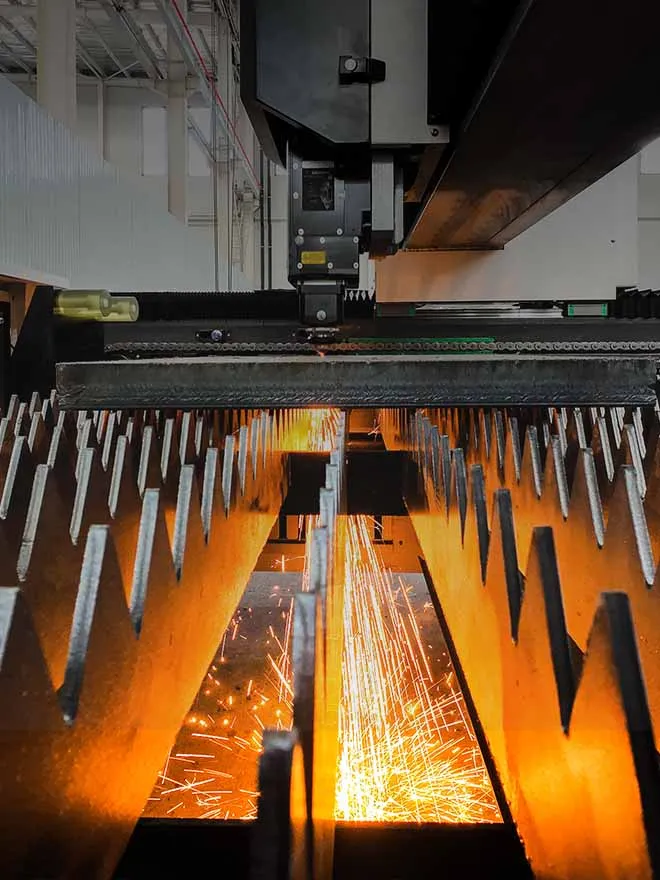
Przecinarka plazmowa i laser światłowodowy rozwiązywać różne problemy. Technologia plazmowa pozostaje konkurencyjna w przypadku grubych blach i niższych kosztów początkowych; laser światłowodowy wygrywa pod względem jakości krawędzi, szerokości szczeliny cięcia oraz prędkości cięcia przy grubościach poniżej około 16 mm. Decyzja zależy zazwyczaj od składu używanych materiałów, a nie od preferencji dotyczących marki.
Czym właściwie różnią się te dwa procesy
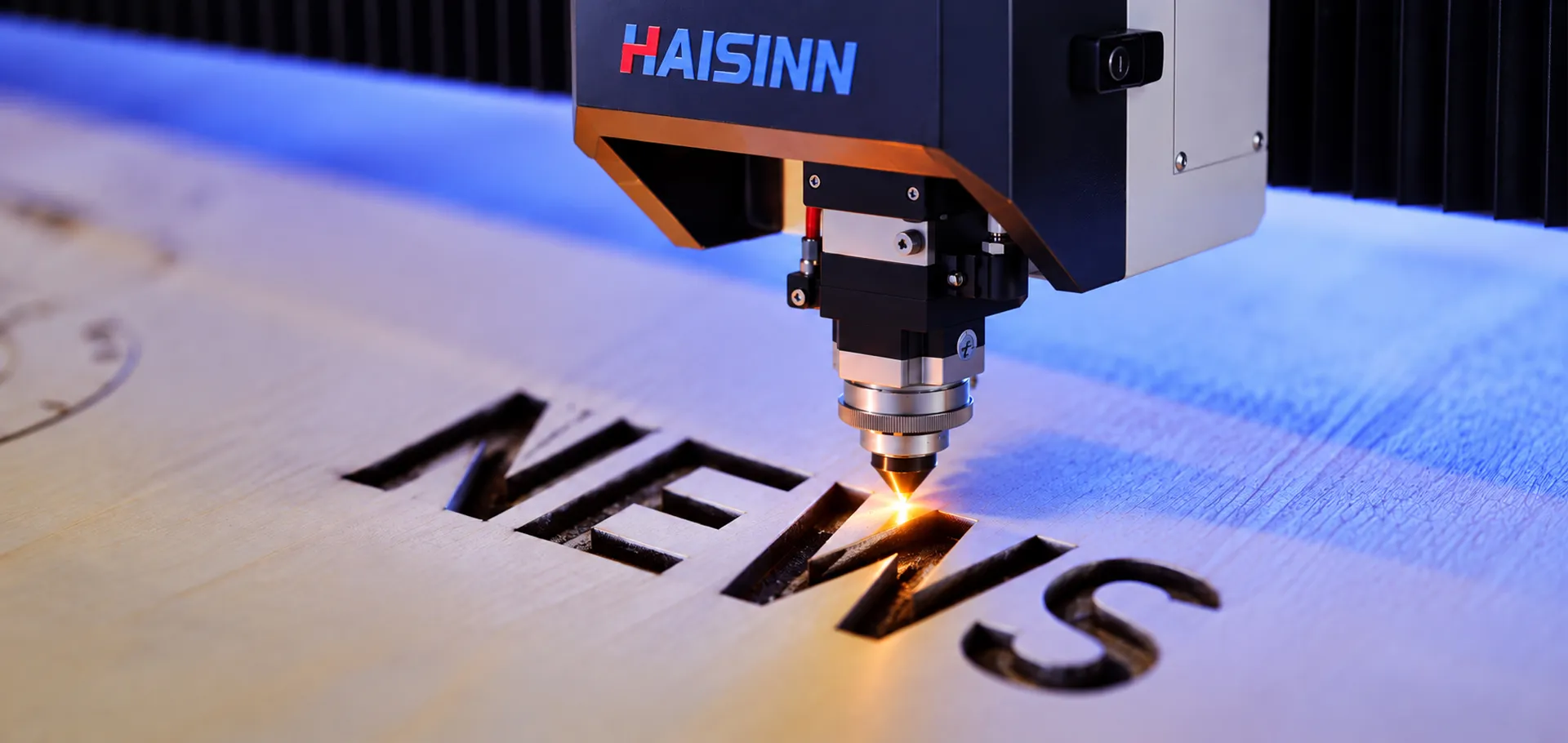
Cięcie plazmowe polega na przepuszczaniu łuku elektrycznego przez strumień zjonizowanego gazu, co powoduje stopienie ścieżki w przewodzącym metalu, a stopiony materiał jest usuwany przez strumień gazu o dużej prędkości. Natomiast cięcie laserem światłowodowym polega na skupieniu wiązki światła w niewielkim punkcie, co powoduje stopienie lub odparowanie materiału wzdłuż znacznie węższej ścieżki, przy czym gaz wspomagający — azot lub tlen — usuwa ślad cięcia.
Ta jedna różnica — łuk a skupiona wiązka — wyjaśnia niemal wszystkie wynikające z niej kompromisy: szerokość szczeliny cięcia, wykończenie krawędzi, minimalny rozmiar elementu oraz zachowanie każdej z maszyn w miarę zwiększania się grubości blachy.
Zestawienie: laser plazmowy a laser światłowodowy
| Czynnik |
Cięcie plazmowe |
Cięcie laserem światłowodowym |
| Optymalna grubość obrabianego materiału |
Około 6–80 mm; mocne powyżej 16 mm |
Cienkie do średniej grubości; wydajne do około 25–30 mm, w zależności od mocy lasera |
| Szerokość cięcia |
Szerszy, co powoduje większą utratę materiału przy każdym cięciu |
Wąskie, co pozwala na gęstsze rozmieszczenie elementów na arkuszu |
| Wykończenie krawędzi |
Zanieczyszczenia i skosy są powszechne; urządzenia o wysokiej rozdzielczości ograniczają je, ale nie eliminują całkowicie |
Gładkie i często gotowe do spawania bez konieczności dodatkowego szlifowania |
| Cięcie niewielkich elementów i otworów |
Ograniczone — małe promienie i małe otwory mogą wymagać dodatkowej obróbki |
Wytrzymały — pozwala na czyste wycinanie ostrych narożników i małych otworów |
| Metale odbijające światło (aluminium, miedź, mosiądz) |
Radzi sobie z nimi bez specjalnej optyki |
Wymaga źródła lasera oraz ustawień procesu dostosowanych do materiałów odblaskowych |
| Koszt zakupu maszyny |
Niższy koszt wejścia na rynek |
Wyższa inwestycja początkowa |
| Struktura kosztów eksploatacyjnych |
Częsta wymiana materiałów eksploatacyjnych, w tym elektrod, dysz i pierścieni wirowych |
Niższe zużycie materiałów eksploatacyjnych; zużycie energii elektrycznej i konserwacja obiektywów to główne pozycje kosztowe |
| Praca związana z obróbką końcową |
Na krawędziach cięcia rutynowo konieczne jest szlifowanie i usuwanie zadziorów |
Często nie jest to konieczne w przypadku części, które trafiają bezpośrednio do spawania lub montażu |
Żadna z tych pozycji nie jest bezwzględna. System plazmowy o wysokiej rozdzielczości może w przypadku niektórych materiałów dorównać jakości krawędzi uzyskiwanej przy użyciu lasera, a laser o dużej mocy pozwala zwiększyć maksymalną grubość materiału. Tabela ta powinna służyć jako punkt wyjścia do stworzenia własnej listy materiałów, a nie jako uniwersalny ranking.
Gdzie plazma wciąż wygrywa
Cięcie plazmowe pozostaje bardziej elastycznym rozwiązaniem w trzech sytuacjach. Po pierwsze, w przypadku grubych blach — gdy tnie się stal miękką o grubości znacznie przekraczającej 16 mm lub zajmuje się produkcją konstrukcji stalowych, przewaga plazmy pod względem szybkości przy obróbce grubych materiałów jest wyraźna, a maszyna lepiej znosi trudniejsze warunki warsztatowe. Po drugie, przy niskich budżetach inwestycyjnych — zakup stołu plazmowego wiąże się ze znacznie niższymi kosztami, co ma znaczenie dla warsztatu, który wciąż buduje swoją skalę produkcji. Po trzecie, w przypadku mieszanych materiałów przewodzących bez rygorystycznych wymagań dotyczących tolerancji, gdzie szersza szczelina cięcia i niewielka ilość żużlu na krawędziach są dopuszczalne, ponieważ element i tak zostanie później zespawany lub poddany obróbce skrawaniem.
W jakich obszarach laser światłowodowy ma przewagę
Laser światłowodowy Wysoka cena tej technologii ma swoje uzasadnienie, gdy elementy muszą opuszczać stół do cięcia w stanie gotowym do kolejnego etapu obróbki. Blachy o grubości od cienkiej do średniej, elementy z małymi otworami lub ciasnymi narożnikami wewnętrznymi oraz wszelkie procesy, w których prawdziwym wąskim gardłem jest ręczne szlifowanie — a nie sama prędkość cięcia — to klasyczne czynniki skłaniające do modernizacji. Zakłady, które wyceniają prace na podstawie tolerancji gotowych części, a nie tylko ilości usuniętego surowca, zazwyczaj dostrzegają, że węższa szczelina cięcia lasera zwraca się już dzięki samej wydajności materiałowej.
Błędne przekonanie, które kosztuje producentów pieniądze
Najczęstszym błędem w tym porównaniu jest traktowanie lasera światłowodowego jako bezwzględnej poprawy w stosunku do cięcia plazmowego pod każdym względem. Tak jednak nie jest. W przypadku grubych blach — zazwyczaj powyżej 16 mm — laser światłowodowy średniej mocy może ustępować dobrze utrzymywanemu systemowi plazmowemu zarówno pod względem prędkości, jak i kosztu jednostkowego. Zakłady, które zastępują swój stół plazmowy laserem o zbyt małej mocy wyłącznie dlatego, że “laser jest nowszy”, często napotykają wąskie gardło przy obróbce grubych blach w swoim asortymencie zleceń, a następnie odkrywają, że nadal potrzebują dodatkowego procesu obróbki dla elementów o grubości powyżej jednego cala. Rozwiązaniem nie jest rezygnacja z lasera światłowodowego — chodzi o dopasowanie mocy lasera do rzeczywistego rozkładu grubości obrabianych elementów, a nie tylko do najcieńszych z nich.
Drugi przypadek graniczny, na który warto zwrócić uwagę: metale odbijające światło. Aluminium, miedź i mosiądz odbijają część wiązki laserowej, dlatego do ich prawidłowego cięcia potrzebne jest źródło lasera i parametry procesu dostosowane do materiałów odbijających światło, a nie standardowa konfiguracja stosowana przy cięciu stali miękkiej.
Oznaki, że nadszedł czas, by przejść z technologii plazmowej na laserową
- To szlifowanie stanowi wąskie gardło, a nie cięcie. Jeśli w Twoim zakładzie więcej godzin pracy poświęca się na gratowanie krawędzi wyciętych metodą plazmową niż na samo cięcie, to z ekonomicznego punktu widzenia często opłaca się wybrać laser, nawet nie uwzględniając oszczędności na materiale.
- Twoje elementy stają się coraz mniejsze i bardziej szczegółowe. Rosnące zapotrzebowanie na małe otwory, małe promienie lub skomplikowane układy zagnieżdżania stanowi wyraźny sygnał — charakterystyka szczeliny cięcia i łuku plazmowego utrudnia uzyskanie drobnych szczegółów.
- Wydajność materiałowa ma obecnie większe znaczenie niż kiedyś. Węższa szczelina cięcia oznacza większą liczbę elementów na arkuszu. W przypadku drogich materiałów ze stali nierdzewnej lub aluminium różnica ta szybko się kumuluje.
- Wystawiasz oferty cenowe w oparciu o tolerancje gotowych elementów. Jeśli klienci odrzucają elementy ze względu na jakość krawędzi lub prostopadłość, oznacza to problem z zdolnością procesową, którego same materiały eksploatacyjne do obróbki plazmowej nie są w stanie rozwiązać.
- Wasza struktura grubości przesuwa się w kierunku grubości od cienkiej do średniej. Jeśli większość nowych zamówień dotyczy blach o grubości poniżej około 16 mm, przewaga technologii plazmowej w zakresie obróbki grubych blach przestaje mieć znaczenie dla Twojej rzeczywistej pracy.
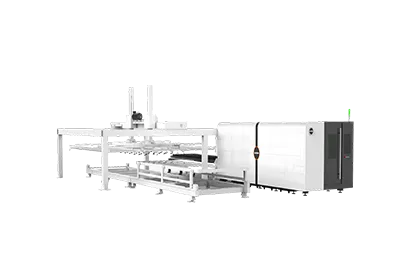
HS-A – ekonomiczna maszyna do cięcia laserowego z jedną platformą: dane techniczne dla zakładów rozważających zmianę sprzętu
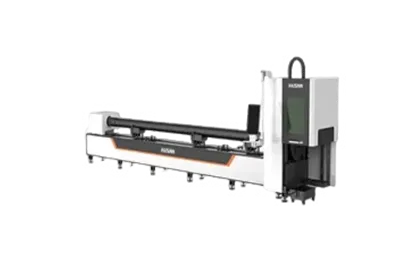
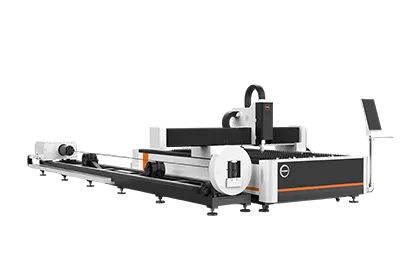
Dla producentów, którzy rozważają zakup pierwszego lasera zamiast dalszego korzystania z technologii plazmowej, HAISINN’s Seria HS-A jest pozycjonowana raczej jako rozwiązanie dla początkujących w dziedzinie cięcia laserem światłowodowym, a nie jako wielkoformatowa linia produkcyjna. Zgodnie z opublikowaną przez firmę HAISINN tabelą parametrów seria HS-A obejmuje:
- Moc lasera: 1,5–40 kW
- Maksymalny opublikowany obszar roboczy: 12 200 × 2 500 mm
- Maksymalna prędkość: do 140 m/min
- Maksymalne przyspieszenie: do 1,5 G
- Podana dokładność pozycjonowania: ±0,05 mm/m
- Typowe materiały, z którymi urządzenie jest kompatybilne: stal węglowa, stal nierdzewna i aluminium, zgodnie z HAISINN‘strona produktu
Ten zakres mocy ma bezpośrednie znaczenie dla powyższego wyboru między technologią plazmową a laserową: zakład zajmujący się głównie cięciem blach o grubości od cienkiej do średniej może wybrać dolną granicę tego zakresu, podczas gdy zakład, który nadal przetwarza również grubsze blachy, może skłaniać się ku górnej granicy, zamiast ograniczać się do jednej, stałej konfiguracji. Podobnie jak w przypadku każdego modelu HAISINN, moc lasera, obszar roboczy i poziom automatyzacji są konfigurowane indywidualnie dla każdego zamówienia — podany zakres stanowi górną i dolną granicę, a nie jedną stałą specyfikację.
Ten zakres mocy ma bezpośredni wpływ na powyższy wybór między technologią plazmową a laserową: zakład zajmujący się głównie cięciem blach o grubości od cienkiej do średniej może wybrać dolną granicę tego zakresu, podczas gdy zakład, który nadal przetwarza również grubsze blachy, może skłaniać się ku górnej granicy, zamiast ograniczać się do jednej, stałej konfiguracji. Podobnie jak w przypadku każdego HAISINN Model, moc lasera, obszar roboczy oraz poziom automatyzacji są konfigurowane indywidualnie dla każdego zamówienia — podany zakres stanowi górną i dolną granicę, a nie jedną stałą specyfikację.
Warto znać standardy jakości cięcia
Twierdzenia dotyczące najwyższej jakości krawędzi w tej dziedzinie są często formułowane w sposób nieprecyzyjny. Norma ISO 9013:2017 określa system klasyfikacji oraz tolerancje geometryczne stosowane do opisu krawędzi ciętych termicznie — w tym kątowości i prostopadłości — i stanowi punkt odniesienia do obiektywnego porównywania jakości krawędzi ciętych plazmą i laserem, a nie tylko w oparciu o retorykę marketingową. Każde konkretne oświadczenie dotyczące klasy jakości cięcia powinno być poparte danymi z badań dla danego materiału i grubości, a nie oparte na ogólnych specyfikacjach.
W porównaniu z ogólnymi stronami porównawczymi dostawców, które dominują w wynikach wyszukiwania dotyczących tego tematu, praktyczna różnica mająca wpływ na decyzję o zakupie zazwyczaj nie wynika z zasad fizyki leżących u podstaw tego procesu — chodzi raczej o dopasowanie mocy maszyny i poziomu automatyzacji do rzeczywistego zestawu zadań, a następnie uzyskanie oferty dostosowanej do konkretnej konfiguracji, zamiast opierania się wyłącznie na opublikowanych maksymalnych grubościach.
Najczęściej zadawane pytania
Pytanie: Czy jedna maszyna może zastąpić zarówno laser plazmowy, jak i laser światłowodowy?
O: Nie do końca. Laser skonfigurowany do cięcia grubych blach traci część przewagi pod względem szybkości i kosztów, która sprawia, że technologia laserowa jest atrakcyjna w przypadku cienkich materiałów, a stół plazmowy nie dorównuje laserowi pod względem jakości krawędzi przy precyzyjnych pracach. Wiele zakładów korzysta z obu technologii.
Pytanie: Jaka grubość stanowi rzeczywisty punkt graniczny między cięciem plazmowym a laserowym?
O: Nie ma jednej konkretnej wartości — zależy to od mocy lasera i natężenia prądu plazmowego — ale z grubsza rzecz biorąc, w przypadku stali miękkiej o grubości 16 mm przewaga plazmy pod względem prędkości i kosztów staje się bardziej wyraźna, a laser zaczyna wymagać większej mocy, aby pozostać konkurencyjnym.
Pytanie: Czy laser światłowodowy całkowicie eliminuje konieczność obróbki końcowej?
O: W wielu przypadkach tak — czyste krawędzie wycięte laserowo często trafiają bezpośrednio do spawania lub montażu. Zależy to od materiału, grubości oraz zastosowanego gazu wspomagającego; nie jest to jednak absolutna gwarancja w przypadku każdego zlecenia.
Pytanie: Czy seria HS-A firmy HAISINN posiada certyfikaty wymagane na rynku UE lub USA?
O: Firma HAISINN podaje na swojej stronie internetowej informacje o zgodności z normami CE i FDA na poziomie przedsiębiorstwa, jednak numery certyfikatów oraz zakres certyfikacji dla poszczególnych modeli nie są publicznie dostępne. Przed zakupem należy poprosić o dokumentację certyfikacyjną dotyczącą konkretnej konfiguracji.














 7 sierpnia 2026 r.